










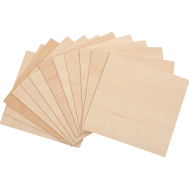



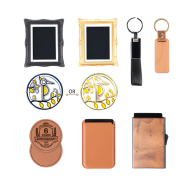























Wood cutting remains one of the most essential — and constantly evolving — skills in woodworking. From shaping large timber boards to crafting fine decorative details, the tools you choose directly affect both working speed and cutting precision.
Planning a wood project in 2026? Using the right cutting tools can significantly improve efficiency, accuracy, and overall results, whether you're working in a home workshop, garage workspace, or small studio in the UK.
In this guide, we explore the 13 best wood cutting tools in 2026. You'll learn what each tool is best suited for, how to choose the right one for your needs, and how new woodworking technology is changing the way makers and hobbyists work this year across the UK.

In this article:
- Part 1: 4 Types of Wood Cutting Tools
- Type 1: Hand Tools
- Type 2: Professional Tools
- Type 3: Power Tools
- Type 4: Wood Laser Cutters
- Part 2: How to Choose the Right Wood Cutting Tool
- Part 3: FAQs about Wood Cutting Tools
Part 1: Types of Wood Cutting Tools
Wood-cutting tools are generally grouped into three main categories:
- Hand tools
- Power tools
- Professional woodworking machines
Each category supports different project needs depending on precision level, working speed, and workshop setup.
Traditional hand tools, such as classic hand saws and chisels, provide excellent control and tactile feedback — something many UK hobbyists and furniture makers still value when working in home workshops or garage studios.
Power tools help speed up everyday cutting tasks and are especially useful for beginners who want cleaner results with less physical effort.
Meanwhile, professional machines, such as CNC routers, offer exceptional accuracy and repeatability. These are widely used for detailed pattern work, cabinetry production, and small batch manufacturing projects across the UK.
In recent years, wood laser cutters have also become increasingly popular thanks to their:
- high precision
- clean cutting edges
- automated workflows
- compact workshop compatibility
Let's explore each category and identify which tools are most suitable for woodworking projects in 2026.
Type 1: Hand Tools for Wood Cutting
Even with modern machinery widely available, hand tools remain essential in woodworking because they provide a level of control and material feedback that machines cannot replicate.
Craftspeople can feel grain resistance directly while working, making hand tools ideal for:
- finishing work
- detailed shaping
- joinery preparation
- traditional woodworking techniques
They are especially useful in compact UK home workshops where flexibility and control matter more than production speed.
Hand Saws
Every woodworker benefits from owning a reliable set of hand saws.
Common types include:
- Rip saws – designed for cutting along the grain
- Crosscut saws – used for cutting across the grain
- Dovetail saws – ideal for precise joinery work
Tooth size and tooth pattern directly influence cut smoothness and control.
One major advantage of hand saws is portability. Because they do not require electricity, they can be used anywhere — whether indoors, outdoors, or on-site projects across the UK.
With proper sharpening and storage, a quality hand saw can last for many years.

Chisels
Chisels are among the most versatile woodworking hand tools available.
They are commonly used for:
- carving
- trimming joints
- shaping edges
- decorative detailing
Typical chisel styles include:
- flat chisels
- bevel-edge chisels
- gouges
Using a wooden or rubber mallet helps achieve cleaner, more controlled cuts.
High-quality steel chisels maintain sharpness longer, improving accuracy when building furniture or preparing joinery components.

Axes
Axes remain highly effective tools for rough shaping and splitting timber.
They are especially useful for:
- splitting logs
- removing bark
- shaping beams
- preparing posts before planing
A well-balanced handle improves swing control and reduces fatigue during extended use — particularly useful for outdoor woodworking or garden structure preparation projects across the UK.

Adze
An adze works similarly to an axe but features a blade positioned perpendicular to the handle.
This makes it ideal for shaping curved wooden surfaces such as:
- bowls
- beams
- sculptural pieces
- traditional woodworking components
Historically used in boatbuilding and timber framing, modern adzes now include ergonomic handles and replaceable blades for improved long-term usability.

Hand Planes
Hand planes are essential for flattening and smoothing timber surfaces.
They are commonly used for:
- levelling boards
- trimming edges
- refining surfaces before assembly
A properly adjusted sharp plane can produce a surface finish that often requires minimal sanding afterwards — especially valuable in furniture-making projects.

Spokeshave
Spokeshaves are ideal tools for shaping curved wooden components.
They are frequently used for:
- chair legs
- handles
- wheel spokes
- rounded structural elements
Modern designs typically include adjustable blades and ergonomic grips, allowing smoother shaping with improved control.
Together, these traditional hand tools form the foundation of woodworking skills and remain widely used by both beginners and experienced makers across the UK.
Type 2: Professional Tools for Wood Cutting
Professional woodworking machines introduce automation, repeatability, and high-precision cutting capabilities into the workshop.
They are especially valuable for:
- advanced woodworking projects
- detailed engraving work
- furniture component production
- small-scale batch manufacturing
These machines allow users to achieve results that would be difficult or time-consuming using manual tools alone.
Wood Lathe
A wood lathe rotates timber while shaping tools are applied to create symmetrical objects such as:
- furniture legs
- bowls
- handles
- decorative columns
Wood lathes are commonly used by furniture makers and craft studios throughout the UK.

CNC Router
A CNC router provides computer-controlled precision for cutting complex shapes, patterns, and textures.
It is particularly suitable for:
- repeatable production
- decorative panels
- cabinetry components
- signage and engraving work
Although CNC routers require higher investment and setup time, they are ideal for professional workshops and small manufacturing environments where accuracy and consistency are essential.

Type 3: Power Tools for Wood Cutting
Power tools bridge the gap between manual craftsmanship and full automation.
They provide:
- faster cutting speeds
- improved efficiency
- consistent cutting performance
This makes them especially useful for medium-scale woodworking projects in UK home workshops and small studios.
Power Saws
Electric saws provide reliable cutting performance across a wide range of applications.
Common types include:
- circular saws
- jigsaws
- band saws
They are particularly effective for repetitive cuts and thicker timber materials.

Power Router
Power routers are widely used for shaping edges, cutting grooves, and producing strong woodworking joints.
They are commonly used in:
- cabinet making
- furniture production
- decorative woodworking projects
Template-guided routing allows highly consistent detailing results.
Chainsaw
Chainsaws are primarily designed for outdoor timber cutting applications.
They are ideal for:
- cutting logs
- trimming branches
- preparing structural timber
Modern chainsaws now include enhanced safety features and reduced vibration for improved operator comfort.

Power Planes
Power planers allow rapid surface preparation when working with rough timber boards.
They are particularly useful for:
- flattening uneven material
- correcting alignment issues
- preparing boards before assembly
Type 4: Wood Laser Cutters
Laser cutters use a focused beam to cut and engrave wood with exceptional accuracy and clean edges compared with traditional saws or routers.
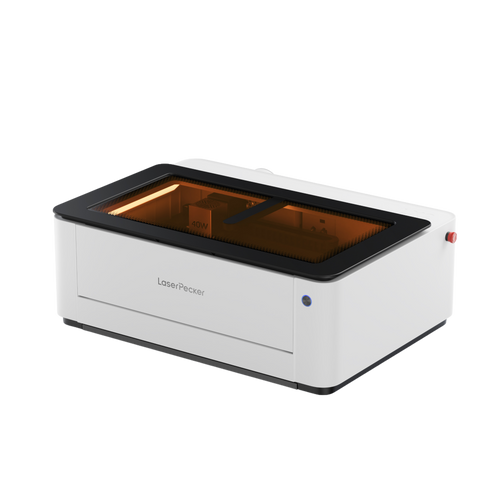
For users in the UK working in compact indoor workshops or home creative studios, machines such as the LaserPecker LX2 provide a practical and precise solution for both hobby and small-scale professional use.

Key advantages include:
- fast cutting speeds enabled by optimised laser performance
- interchangeable diode and infrared laser modules
- improved positioning accuracy with assisted alignment support
- compact footprint suitable for smaller workspaces
- optional rotary attachment for cylindrical engraving projects
- Class 1 laser safety certification for safer indoor operation
- ability to cut wood up to 20 mm thick in a single pass
- non-contact cutting process that reduces material waste
- consistent repeatability for small batch production tasks
The growing adoption of compact laser cutting systems reflects how modern woodworking technology is becoming more accessible for creators across the UK.
Part 2: How to Choose the Right Wood Cutting Tool
Choosing the right wood cutting tool depends on several factors, including your project requirements, experience level, and the type of timber you are working with.
Making the correct choice improves:
- cutting accuracy
- working efficiency
- workshop safety
- final project quality
Even in a compact UK home workshop or garage workspace, selecting the right tool can help you achieve professional-level results.
Cutting Requirements
Start by identifying what your project requires.
For example:
- For detailed engraving or decorative work, laser cutters or chisels offer excellent control
- For large-volume cutting tasks, circular saws or chainsaws provide faster material removal
- For repeatable production work, CNC routers or laser systems improve consistency
Matching the tool to the task significantly improves workflow efficiency.
Type of Wood
Different timber types require different cutting approaches.
For example:
- Hardwoods such as oak and maple usually require higher-power tools
- Softwoods such as pine or cedar are easier to cut using hand tools or entry-level machines
Understanding timber density helps prevent tool wear and improves cutting quality.
Cutting Precision
Projects that involve engraving, joinery, or detailed decorative components require higher precision tools.
Suitable options include:
- laser cutters
- CNC routers
- fine woodworking chisels
For users working in indoor creative studios across the UK, compact Class 1 laser cutters are becoming an increasingly practical solution because they combine precision with safer enclosed operation.
Tool Type & Use Case
The best tool depends on three main considerations:
- project complexity
- available budget
- preferred workflow style
General guidance:
- Hand tools provide maximum control and traditional craftsmanship feel
- Power tools improve speed and productivity
- CNC and laser cutters enable computer-controlled precision and repeatability for advanced woodworking tasks
Many UK hobbyists and small workshop users now combine traditional hand tools with compact digital cutting systems to expand their creative capabilities without requiring large workshop space.
Comparison Table - Best Wood Cutting Tools
| Tool Type | Main Advantages | Recommended Applications |
|---|---|---|
| Hand Saw | Simple, affordable, portable | Rough cutting, outdoor woodworking |
| Chisel | Excellent for detailed shaping and joinery | Furniture making, carving |
| Plane | Produces smooth and level timber surfaces | Board preparation, surface finishing |
| Chainsaw | Fast cutting performance for heavy timber | Tree trimming, rough lumber preparation |
| Circular Saw | Accurate straight cutting with good efficiency | Panel cutting, construction projects |
| Jigsaw | Ideal for curves and irregular shapes | Fine woodworking, DIY projects |
| Band Saw | Continuous cutting suitable for curves and resawing | Furniture making, shaping thick wood |
| Power Planer | Rapid surface leveling | Board smoothing, pre-assembly adjustments |
| Wood Router / Power Router | Decorative edging and groove cutting | Cabinetry, joinery, trimming work |
| CNC Machine | Automated precision with repeatable results | 3D carving, batch production, architectural woodwork |
| Laser Cutter | High precision cutting with clean edges (up to 20 mm depth) | Engraving, custom artwork, personalised woodworking projects |
Part 3: FAQs about Wood Cutting Tools
Q1. What is the best wood-cutting tool for beginners?
For beginners starting woodworking at home, compact and easy-to-use tools are usually the best choice.
A desktop laser cutter such as the LaserPecker LX2 is particularly suitable for UK beginners because it:
- requires minimal setup
- operates with enclosed Class 1 laser safety
- works well in small indoor workshops or desk-based creative spaces
- produces clean cuts with less dust and noise compared with traditional saws
This makes it an excellent entry-level option for learning engraving and precision cutting without needing a large workshop environment.
Q2. Can laser cutters replace traditional wood-cutting tools?
Laser cutters are transforming modern woodworking workflows, especially for precision-based projects.
They are ideal for:
- detailed engraving
- lettering work
- small decorative components
- repeatable batch production
Because laser cutters use a non-contact cutting method, they create:
- cleaner edges
- less material waste
- quieter operation
However, traditional tools such as circular saws and routers remain better suited for:
- thick timber boards
- structural cutting
- large-scale construction tasks
Many UK woodworkers now combine both approaches for maximum flexibility.
Q3. What types of wood work best with laser cutters?
Soft to medium-density woods typically produce the best results when laser cutting.
Common suitable options include:
- birch plywood
- basswood
- cherry wood
These materials allow smoother cutting edges with reduced burn marks.
Hardwoods can still be engraved successfully, although they may require:
- slower cutting speeds
- multiple passes
- careful power adjustment
Testing on scrap material first is always recommended to optimise results.
Q4. Are laser cutters safe to use in a home workshop?
Yes — enclosed Class 1 laser cutters, such as the LaserPecker LX2, are designed for safer indoor use. Their enclosed structure and integrated safety features make them suitable for controlled environments at home.
They are commonly used in:
- Home workshops
- Garage studios
- Desk-based creative environments
In addition to Class 1 laser safety, laser cutters also produce minimal processing debris compared to traditional cutting or carving tools. This means less dust and waste in your workspace, making them easier to manage in indoor settings.
For additional comfort and cleanliness during longer engraving sessions, many UK users pair the LX2 with the LaserPecker Desktop Smoke Purifier for LX2. This helps reduce smoke, odour, and fine particles generated during processing, creating a cleaner and safer working environment.
Combined with proper ventilation, this setup makes compact laser cutters particularly suitable for home use and small creative spaces.
Q5. What is the most accurate wood-cutting tool available today?
For high-precision woodworking tasks, the most accurate tools typically include:
- CNC routers
- desktop laser cutters
- fine woodworking chisels
Among these options, laser cutters are especially effective for:
- lettering
- detailed artwork
- custom engraving
- repeatable production components
They provide consistent results with minimal manual adjustment.
Q6. Which wood-cutting tools are best for small workshops in the UK?
For compact workshop environments, space-efficient tools are usually the most practical choice.
Common recommendations include:
- hand saws
- jigsaws
- compact routers
- desktop laser cutters such as the LaserPecker LX2
These tools allow users to complete a wide range of woodworking projects without requiring a full-sized professional workshop setup.
Conclusion
In 2026, wood-cutting tools continue to evolve, offering improved cutting speed, greater precision, and more creative flexibility for makers of all experience levels.
Today's woodworking options range from traditional hand saws to advanced digital fabrication tools such as compact desktop laser cutters. The most suitable choice depends largely on your project requirements and workspace setup:
- hand tools support traditional craftsmanship and detailed finishing work
- power tools improve efficiency for larger cutting tasks
- laser cutters enable highly precise engraving and repeatable production workflows
For users working in UK home workshops, garage studios, or small creative spaces, compact laser systems such as the LaserPecker LX2 provide a practical way to combine traditional woodworking skills with modern precision technology.
With the ability to cut wood materials up to 25 mm thick, produce detailed engraving results, and operate with Class 1 laser safety protection, the LX2 supports cleaner workflows and more consistent outcomes for both hobbyists and small-scale makers.