





























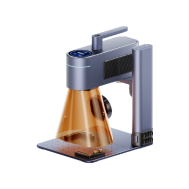


Jigsaw puzzles have long been a favourite pastime in the UK, combining entertainment, creativity, and problem-solving in one engaging activity. Traditionally, most puzzles were mass-produced with limited design options. However, with the advancement of laser cutting technology, this has changed significantly. Today, you can transform your favourite photos or artwork into fully personalised puzzles with remarkable precision.
In this guide, we'll take you through everything you need to know about laser-cut puzzles — from selecting suitable materials to fine-tuning engraving and cutting settings. You'll also learn how to create a laser-cut wooden puzzle from a photo in just five simple steps.

In this article:
- Part 1: Overview of Laser-Cut Jigsaw Puzzles
- 1.1 What Is Laser-Cut Jigsaw Puzzle Technology?
- 1.2 How Does Laser Cutting Work for Jigsaw Puzzles?
- 1.3 Best Laser Engraving and Cutting Machines for Jigsaw Puzzles
- Part 2: Applications of Laser-Cut Puzzles
- Case Study: Create a Laser-Cut Wooden Jigsaw Puzzle from a Photo in 5 Steps 💡
- FAQs: Hot Questions about Laser-Cut Jigsaw Puzzles
Part 1: Overview of Laser-Cut Jigsaw Puzzles
1.1 What Is Jigsaw Puzzle Laser Cutting?
Jigsaw puzzle laser cutting refers to the process of using a laser cutter to produce puzzle pieces with precise and consistent shapes.
Unlike traditional cutting methods, a focused laser beam can create intricate curves and uniquely shaped interlocking tabs with exceptional accuracy. This enables makers to turn photos, artwork, or custom designs into high-quality puzzles where each piece fits seamlessly.
As a result, laser cutting has become a popular choice in the UK for creating personalised puzzles, bespoke gifts, and even small-batch commercial products.

Source: LaserPecker LP4 FaceBook Group
1.2 How Does Laser Cutting Work for Jigsaw Puzzles?
Laser cutting works by directing a highly focused beam onto materials such as wood, acrylic, or cardboard. The laser follows a digital design file, cutting clean and accurate lines to form individual puzzle pieces.
Because the beam is extremely fine, it can produce complex interlocking shapes without damaging the surrounding material. In addition to cutting, the same machine can also engrave images, text, or logos onto the surface, making each puzzle more personalised and visually appealing.
1.3 Laser Engraving and Cutting Machines for Jigsaw Puzzles
Not all laser machines are equally suitable for producing jigsaw puzzles. To achieve consistent, high-quality results, it's important to choose a machine that offers precision, power, and versatility.
When selecting a laser cutter, consider the following factors:
- High precision and stability: Ensures each puzzle piece fits accurately with clean, smooth edges
- Wide material compatibility: Supports wood, acrylic, MDF, and other commonly used materials
- Large working area: Allows you to create larger puzzles or process multiple pieces at once
- Powerful laser output: Ensures efficient and clean cutting across different material thicknesses
In terms of laser types:
- Diode lasers are a cost-effective option for thinner materials such as plywood or cardboard
- CO₂ lasers offer greater power and flexibility, making them ideal for thicker or more complex projects
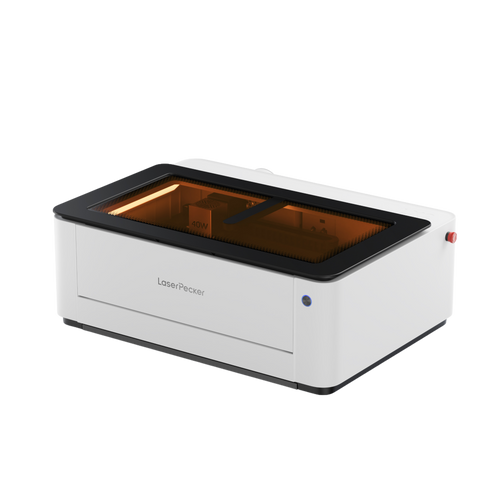
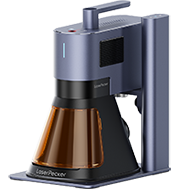
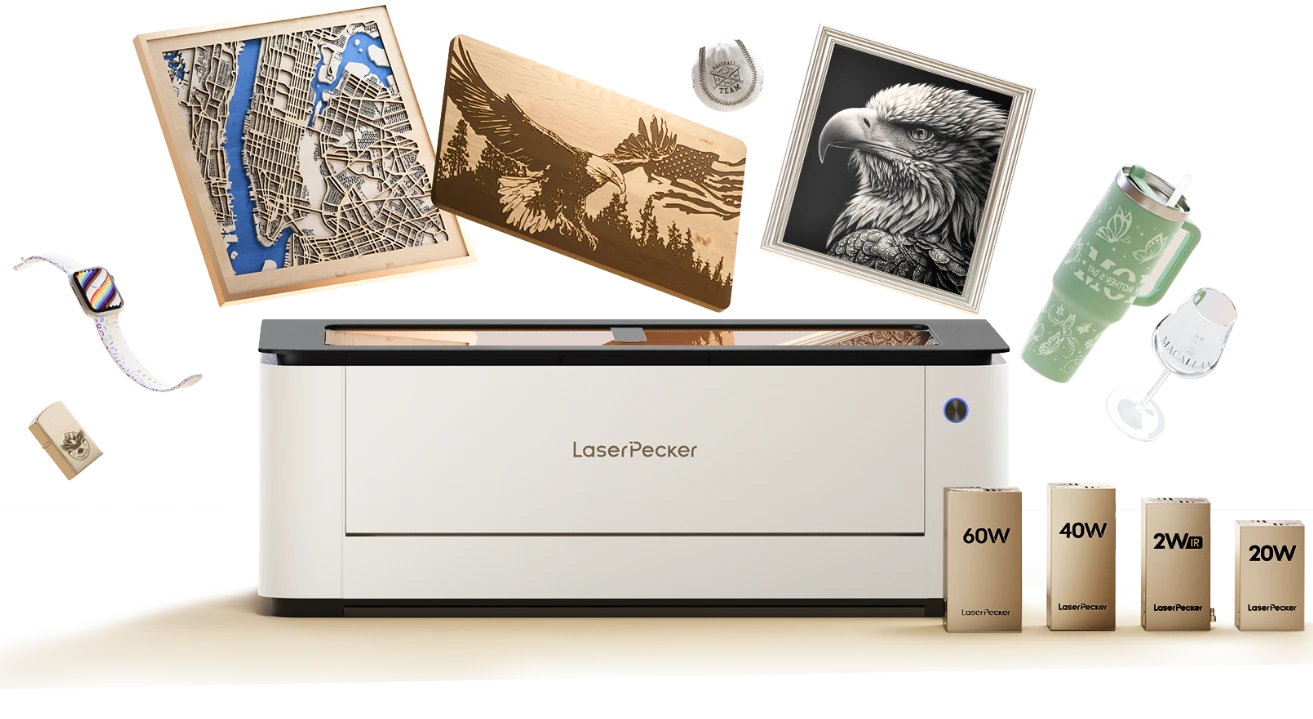
For users in the UK, compact diode laser machines such as LP4, LP5, or LP2 Plus and LX2 are often preferred for home workshops or small creative businesses producing personalised jigsaw puzzles. These machines are easy to operate, budget-friendly, and well suited for customised puzzle-making projects without requiring industrial-level equipment.
For users planning to produce larger puzzle boards or multiple puzzle sheets in one setup, the LX2 provides additional flexibility thanks to its 500 × 305 mm working area, which allows larger puzzle layouts to be processed more efficiently with fewer repositioning steps. Its higher-power diode module compatibility also supports cleaner cutting across thicker plywood puzzle materials, making it especially suitable for layered wooden puzzle production workflows.
Part 2: Applications of Laser-Cut Puzzles
Laser-cut puzzles are far more than simple toys — they offer a wide range of applications across education, entertainment, branding, and even home décor. Thanks to the precision of laser cutting technology, puzzles can be fully customised for different purposes, from thoughtful gifts to professional-grade products.
Educational Tools
Puzzles are widely used in the UK as effective learning aids, helping children develop:
- Problem-solving skills
- Memory retention
- Fine motor skills
With laser cutting, educators can design tailored learning materials such as:
- Alphabet puzzles
- Number-based games
- Geography maps
These puzzles are durable, reusable, and can be easily adapted for different age groups or learning levels.
Personalised Gifts
Custom puzzles created from photos or artwork have become increasingly popular for occasions such as birthdays, weddings, and anniversaries.
Laser cutting ensures that:
- Each piece is precisely shaped for a perfect fit
- Engraved or printed images remain sharp and detailed
This transforms meaningful memories into an interactive and memorable experience, making personalised puzzles a standout gift option in the UK market.
Promotional and Branding Products
Businesses are increasingly using custom puzzles as creative marketing tools. By engraving logos or brand messages onto puzzle pieces, companies can produce:
- Interactive promotional giveaways
- Branded merchandise with higher engagement value
Compared to standard promotional items, laser-cut puzzles offer a more distinctive and memorable brand experience.
Home Décor and Artistic Displays
Laser-cut puzzles can also be repurposed as decorative pieces. For example, a completed wooden puzzle featuring a scenic image can be framed and displayed as wall art.
Many UK-based artists and craft enthusiasts also use laser-cut puzzles to explore:
- Intricate cut-out designs
- Layered artistic compositions
- Unique visual patterns
Hobby and Collectibles
For puzzle enthusiasts, laser cutting opens up new creative possibilities beyond mass-produced designs.
Custom puzzles can feature:
- Complex interlocking shapes
- Irregular or non-traditional patterns
- Themed or limited-edition collections
These characteristics make them particularly appealing to hobbyists and collectors who value craftsmanship and originality.
💡 Case Study: Create a Laser-Cut Wooden Jigsaw Puzzle from a Photo in 5 Steps
Creating a laser-cut wooden jigsaw puzzle from a photo is a practical and rewarding project. With the right tools and setup, most users in the UK can complete the entire process within a few hours — making it ideal for DIY gifts or small business production.
Preparation Checklist for Laser Cutting a Wooden Jigsaw Puzzle
Before getting started, make sure you have the following:
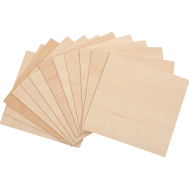
- Cutting material: 2 mm plywood sheet
- Cutting machine: Diode laser cutter
- Cutting design: Jigsaw puzzle templates, letters, or custom shapes
Step 1: Choose Your Material – Plywood Sheet
Selecting the right material is essential for achieving clean and precise results. Different materials require specific laser settings, so always ensure compatibility before starting.
For this case study, we use plywood, which is widely preferred due to its:
- Smooth surface for engraving
- Consistent density for clean cuts
- Affordability and accessibility in the UK
⚠️ Always ensure the material is laser-safe to avoid harmful fumes or safety risks during operation.

Step 2: Choose the Right Laser Cutting Machine for Plywood
Choosing the right machine directly impacts the quality and efficiency of your puzzle.
We recommend the following options:
- LaserPecker 4 (LP4): A reliable choice for plywood jigsaw puzzle laser cutting, offering precision and ease of use
- LP5: Delivers excellent performance for plywood cutting (up to 20 mm basswood) and supports wood embossing
- LaserPecker LX2: Available in 20W / 40W / 60W options, ideal for cutting larger materials and creating large-scale puzzles
For users in the UK, compact diode machines are especially popular due to their plug compatibility and suitability for home workshops.
Step 3: Prepare Your Cutting Design
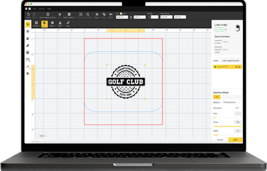
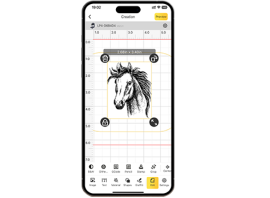
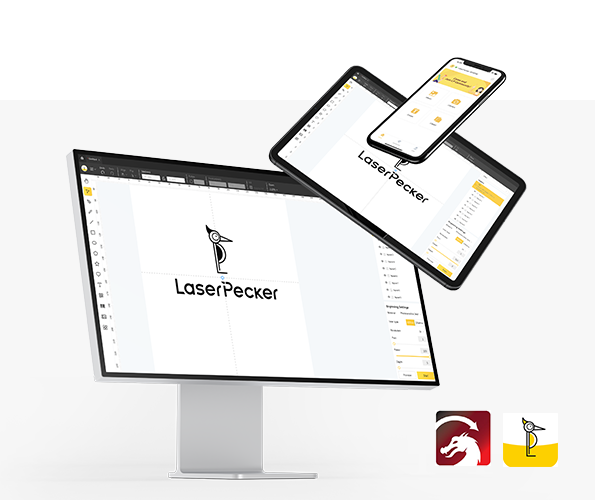
Next, create or import your puzzle design using a graphic design app/software.
You can:
- Use LaserPecker's built-in design tools
- Or work with third-party software such as Photoshop
When preparing your design, consider:
- Puzzle size and piece count
- Shape complexity
- Image resolution for engraving quality
💡 You can also:
- Visit LaserPecker CraftZone for inspiration
- Generate jigsaw puzzle template online
- Purchase laser cut jigsaw puzzle files online
Step 4: Set Up the Jigsaw Puzzle Laser Cutting Machine
Follow these steps to set up your machine correctly:
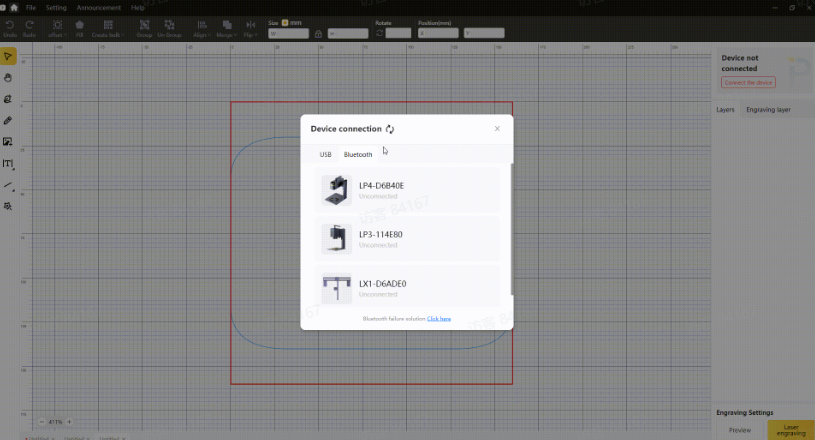
1. Connect your device
- Power on the machine
- Connect via Wi-Fi, USB, or Bluetooth
2. Import your design
- Open the design software
- Upload files (JPG, PNG, SVG, G-code, etc.)

3. Position and preview
- Place the material within the working area
- Enable preview mode and adjust positioning
- Ensure proper laser focus
4. Adjust settings
- Check alignment and scale
- Modify parameters such as power, speed, and resolution

To achieve the best results:
- First engrave the photo onto the surface
- Then cut along the puzzle outline to separate pieces
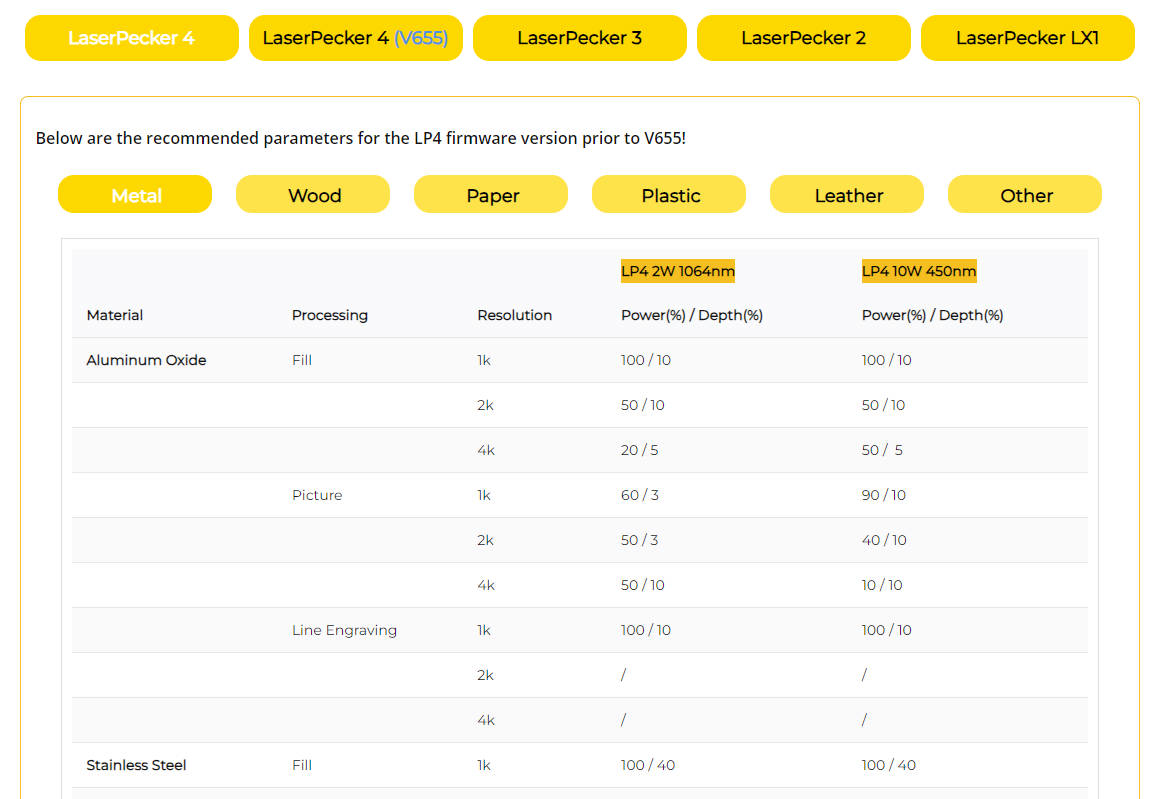
Recommended LaserPecker engraving and cutting parameters:
- Laser Engraving: 10W 450nm diode laser; Power 100%; Depth 90%; Pass 1
- Laser Cutting: 10W 450nm diode laser; Power 100%; Depth 10%; Pass 10
These settings provide a good balance between detail and cutting efficiency.
Step 5: Start Cutting Your Jigsaw Puzzle
Before starting, double-check all settings and alignment to avoid errors. Then begin the cutting process and monitor the machine as it operates.
Once completed:
- Separate and mix the puzzle pieces
- Assemble the puzzle
- Use it as a gift, learning tool, or framed wall art
Safety Tips
When operating a laser cutter, always prioritise safety:
- Wear goggles or use a protective cover to shield your eyes from laser exposure
- Be aware that smoke or gases may be produced during cutting
- Use an air purifier to maintain safe indoor air quality
For UK home users, pairing your machine with a desktop air purifier is highly recommended for enclosed spaces.
FAQs: Hot Questions about Laser-Cut Jigsaw Puzzles
Q1. How long does it take to laser cut a jigsaw puzzle?
For most home users in the UK, a standard wooden jigsaw puzzle can be completed within 1–3 hours. The exact time depends on the puzzle size, material thickness, and the recommended laserpecker engraving and cutting parameters used.
Q2. What is the best material for laser-cut jigsaw puzzles?
Plywood is one of the most popular choices due to its smooth surface and consistent density. It allows for clean engraving and precise cutting, making it ideal for personalised puzzles.
Q3. Can I turn any photo into a laser-cut puzzle?
Yes, you can convert most images into puzzles using a graphic design app/software. For best results, choose high-resolution images with good contrast to ensure clear engraving details.
Q4. Is a diode laser cutter powerful enough for puzzle making?
Absolutely. Diode laser machines such as LP4, LP5, and LaserPecker LX2 are well-suited for cutting thin wood like plywood. They are especially popular for DIY projects and small-scale production in the UK.
Q5. Do I need special templates for jigsaw puzzle cutting?
Yes, using a puzzle template ensures proper interlocking shapes. You can generate jigsaw puzzle template online or purchase laser cut jigsaw puzzle files online for more advanced designs.
Q6. Is laser cutting safe for home use?
Laser cutting can be safe when proper precautions are followed. Always wear goggles, ensure good ventilation, and consider using an air purifier to filter smoke and fumes—especially when working indoors.
Conclusion
Laser cutting has transformed how jigsaw puzzles are created, allowing you to turn simple photos into interactive and meaningful keepsakes. From design and engraving to cutting and final assembly, the entire process is straightforward yet highly rewarding for both beginners and experienced makers.
A laser-cut puzzle is more than just a game — it's a personalised piece of art that captures lasting memories. Whether you're creating one for family activities, a special occasion, or a creative project, laser cutting opens up endless possibilities.
For users in the UK, compact diode laser machines make it easy to bring these ideas to life at home or in small workshops. With a bit of creativity, your puzzle can become as unique as the story behind the photo.