































“Have you ever tried laser cutting leather?”
In this guide, we'll explore everything you need to know about leather laser cutting — from the basics to practical applications. Whether you're a beginner or a DIY enthusiast, this step-by-step tutorial will help you get started with confidence.
We'll also walk you through a real example by showing how to create a laser cut leather bracelet in just five simple steps. Let's get started on this creative journey.

In this article:
- Part 1: An Overview of Leather Laser Cutting
- 1.1 What Is Leather Laser Cutting?
- 1.2 How Does Laser Cutting Work on Leather?
- 1.3 Choosing a Leather Laser Cutting Machine
- 1.4 What Is the Minimum Laser Power Required to Cut Leather?
- Case Study: Create a Laser Cut Leather Bracelet in 5 Simple Steps 💡
- Projects: Two Easy Leather Laser Cutting Ideas for Beginners
- FAQs: Hot Questions about Leather Laser Cutting in the UK
Part 1: An Overview of Leather Laser Cutting
1.1 What Is Leather Laser Cutting?
Leather laser cutting — also known as laser cutting leather — is a precise and efficient method used to shape leather into detailed patterns, lettering, and custom designs.
By using a focused laser beam, you can transform creative ideas into high-quality leather crafts with minimal effort. This technique is especially popular among UK-based hobbyists, small business owners, and DIY makers who want clean, professional-looking results without complex manual tools.
1.2 How Does Laser Cutting Work on Leather?
Can leather be laser cut? Absolutely.
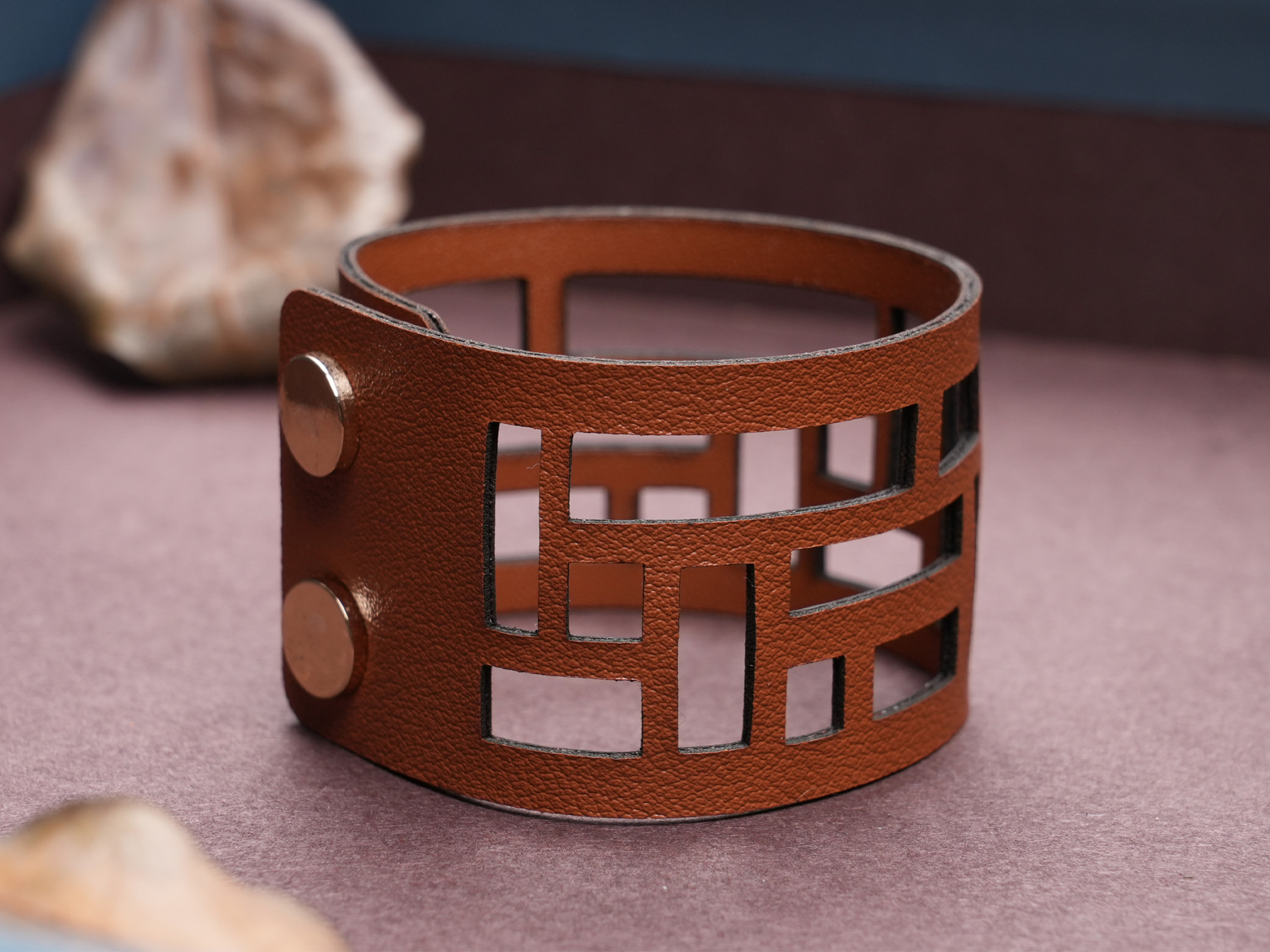
Laser cutting leather works by directing a high-powered laser beam onto the surface of the material. The heat generated by the laser causes the leather to melt and vaporise along the cutting path, producing a clean and precise edge.
Because the process is controlled by computer software, it allows for:
- Highly detailed and intricate designs
- Consistent cutting accuracy
- Smooth edges with minimal material waste (kerf)
Compared to traditional cutting methods, laser cutting is far more efficient and is ideal for producing complex patterns or customised leather goods.
For users in the UK, this level of precision is particularly useful for small workshops, Etsy sellers, and personalised gift creators.
1.3 Leather Laser Cutting Machine
If you're wondering "What tool do I need to cut leather?", the answer is a laser cutter.
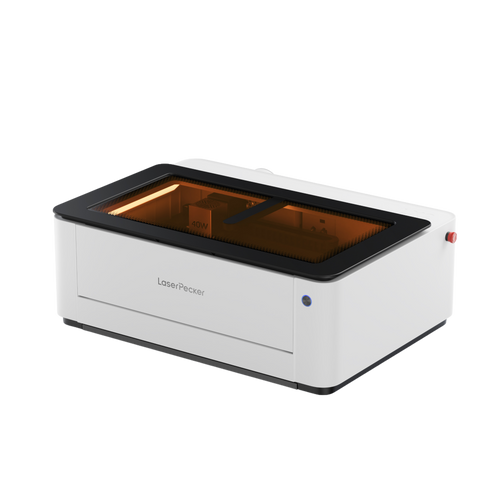
A leather laser cutting machine is essential for achieving accurate and efficient results. With several options available — including diode, CO₂, and fibre laser cutters — choosing the right machine depends on your specific needs.
Many users also ask:
- “Which laser is best for leather laser cutting?”
- “What tool do I need to cut leather?”
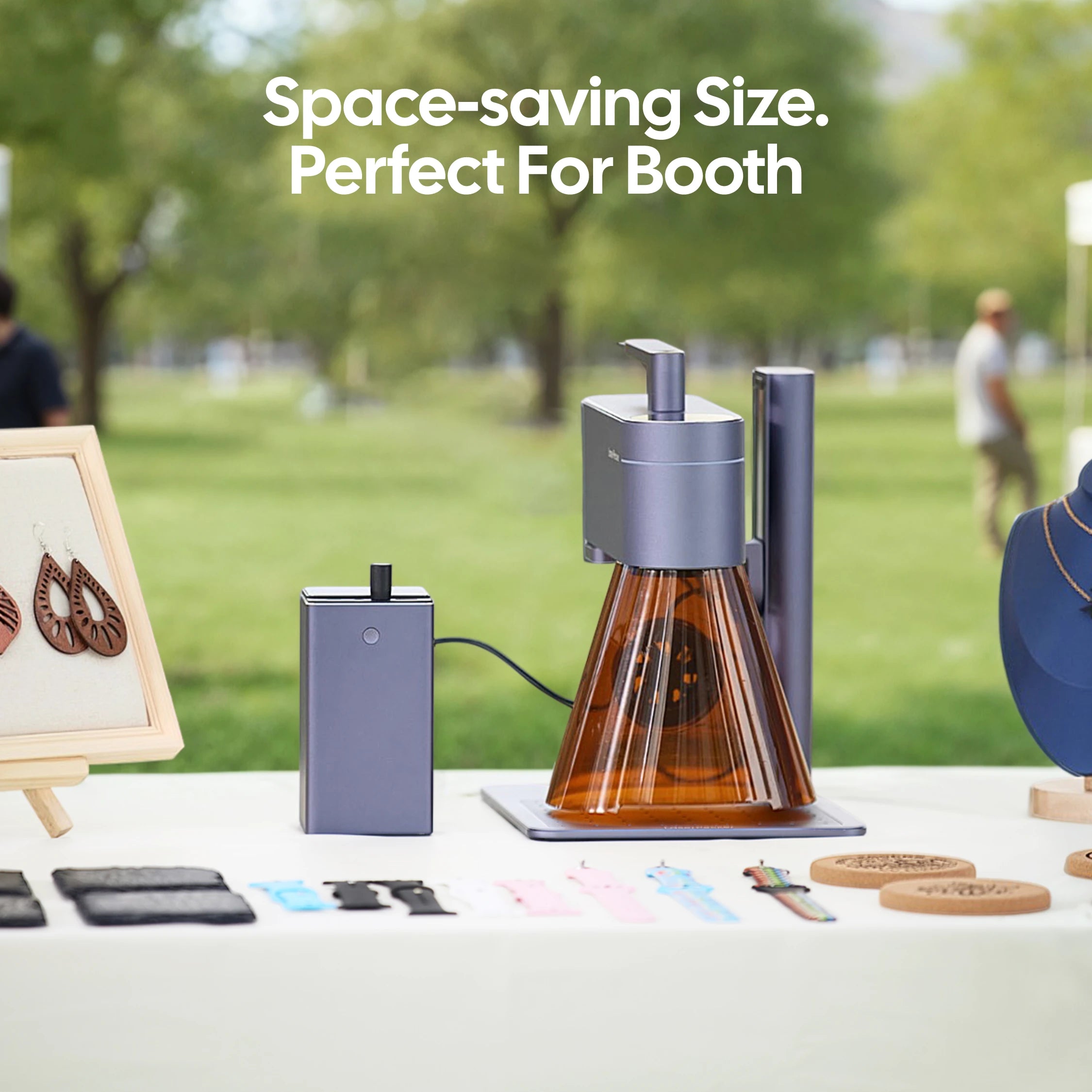
For home use or small-scale projects, diode-based leather laser cutting machines such as LP5, LP4, and LP2 Plus are widely considered the best option.
These machines offer:
- User-friendly operation
- Compact design suitable for home workshops in the UK
- More affordable pricing compared to industrial alternatives
1.4 What Is the Minimum Laser Power Required to Cut Leather?
When getting started, many users ask questions like:
- “Can a 20W diode laser cut leather?”
- “Can a 10W laser cut leather?”
The answer depends on several factors, including:
- Leather thickness
- Cutting speed requirements
- Type of laser machine used
For most diode laser cutters, a minimum power of 10W is recommended for cutting leather effectively.
If you are working with thicker leather, you can:
- Use multiple passes
- Adjust speed and power settings
This ensures cleaner cuts without damaging the material.
For UK users working in home environments, balancing power and ventilation is also important to maintain a safe and comfortable workspace.
Case Study: Create a Laser Cut Leather Bracelet in 5 Simple Steps 💡
Preparation Checklist for Laser Cutting Leather
Before you begin, make sure you have everything ready:
- Cutting material: Leather sheet
- Cutting machine: Diode laser cutter
- Cutting design: Patterns, letters, shapes, etc.
Can you laser cut leather? Absolutely — and the process is more straightforward than you might expect.
So, how long does it take to cut leather? In most cases, just a few minutes. Follow these five simple steps to create your own laser cut leather bracelet with ease.
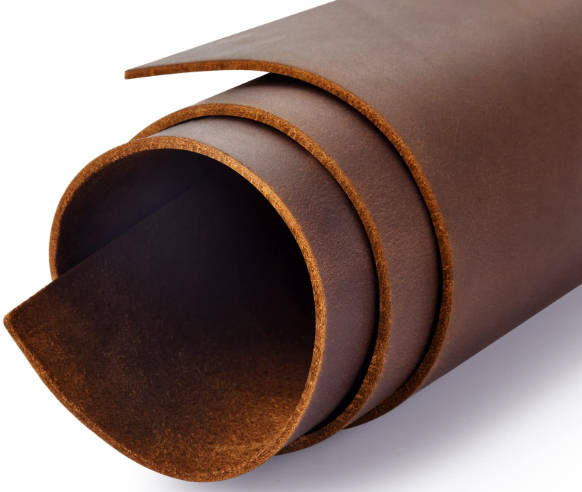
Step 1: Choose Your Material – Leather Sheet
Selecting the right leather is essential for achieving clean and precise results.
Different types of leather require different laser settings. For best results:
- Choose laser-safe raw leather
- Avoid treated or synthetic leather that may release harmful fumes
- Ensure consistent thickness for even cutting
In this example, we'll use a leather sheet to create a bracelet.
For users in the UK, sourcing natural leather from local craft suppliers can help ensure better material quality and safer indoor use.
Step 2: Choose the Right Laser Cutting Machine for Leather
If you're still wondering "What tool do I need to cut leather?", a reliable laser cutter is the answer.
A suitable leather laser cutting machine ensures precision and efficiency. With proper control over power and depth, you can cut leather cleanly without burning the edges.
So if someone asks, "How do you laser cut leather without burning it?", it comes down to correct settings and the right machine.
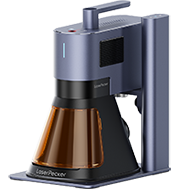
We recommend LaserPecker 4 (LP4) for most leather laser cutting projects, thanks to its balance of performance and ease of use.
Other options include:
- LP5 – features a powerful 20W 450nm diode laser and speeds up to 10,000 mm/s, ideal for faster and more demanding projects
- LP2 Plus – a cost-effective option for beginners, offering reliable performance for entry-level leather work
- LaserPecker LX2 – available in 20W / 40W / 60W versions, suitable for larger materials and more advanced applications
For users in the UK, compact machines like LP4 and LP2 Plus are especially suitable for home workshops, where space and power compatibility are important considerations.
Step 3: Prepare Your Cutting Design
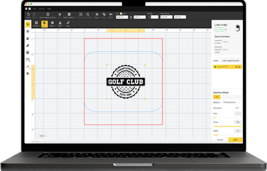
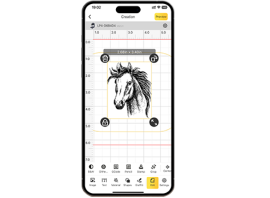
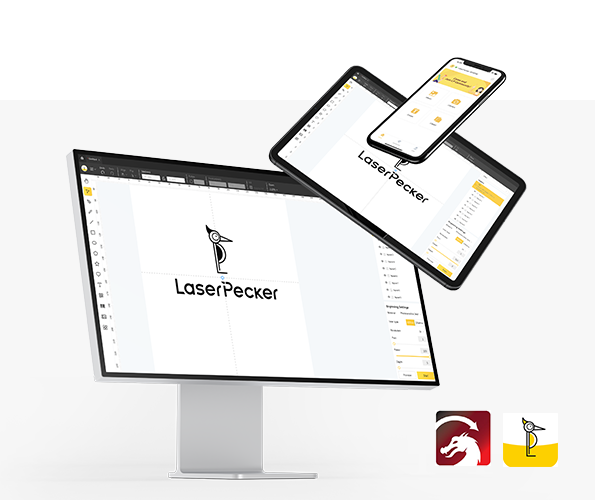
Next, create or import your design using a graphic design app/software.
You can:
- Use LaserPecker Design Space
- Import files (SVG, PNG, JPG, G-code, etc.)
- Or design from scratch using tools like Photoshop
Be sure to consider:
- Size and proportions
- Shape and layout
- Level of detail
For inspiration or ready-made files, you can explore LaserPecker CraftZone, where you'll find a wide range of creative laser cut leather designs.
Step 4: Set Up the Leather Laser Cutting Machine
Follow these steps to prepare your machine properly:
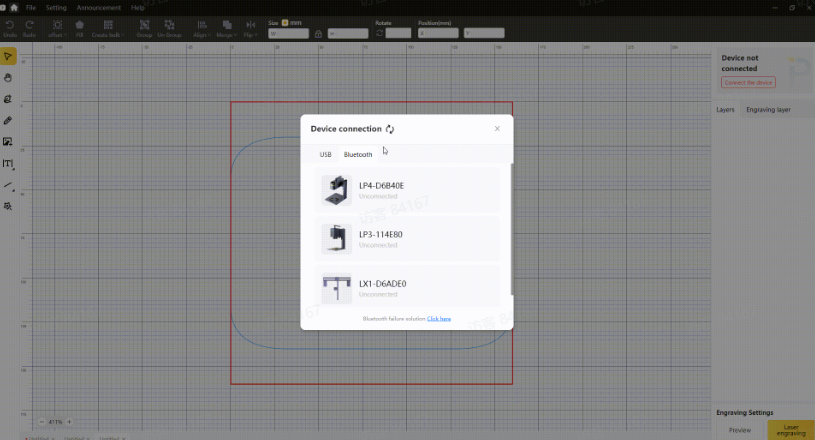
1. Connect your device
Turn on your machine and connect it via Wi-Fi, USB, or Bluetooth.
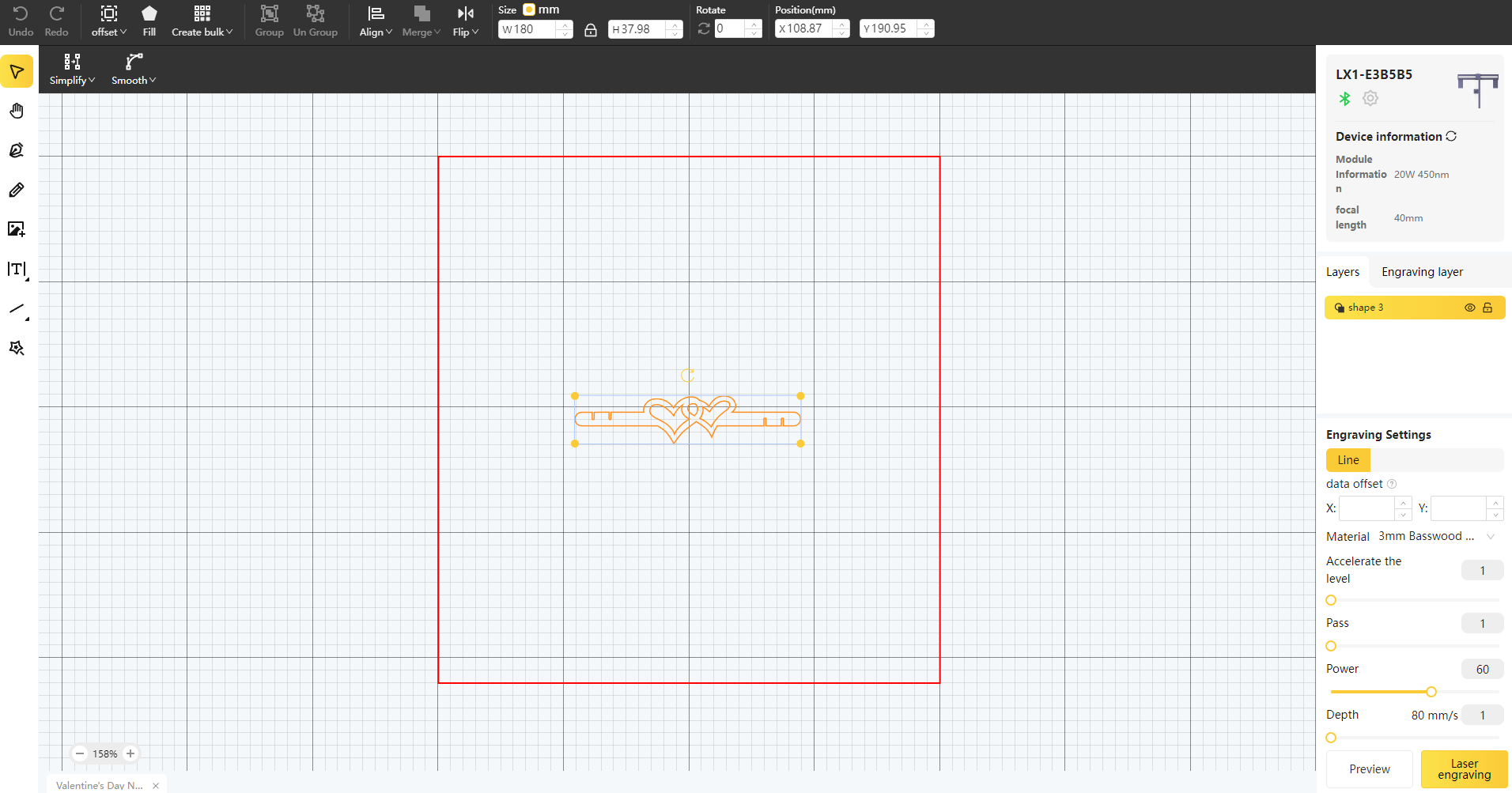
2. Load your design
Open LaserPecker Design Space and upload your file.
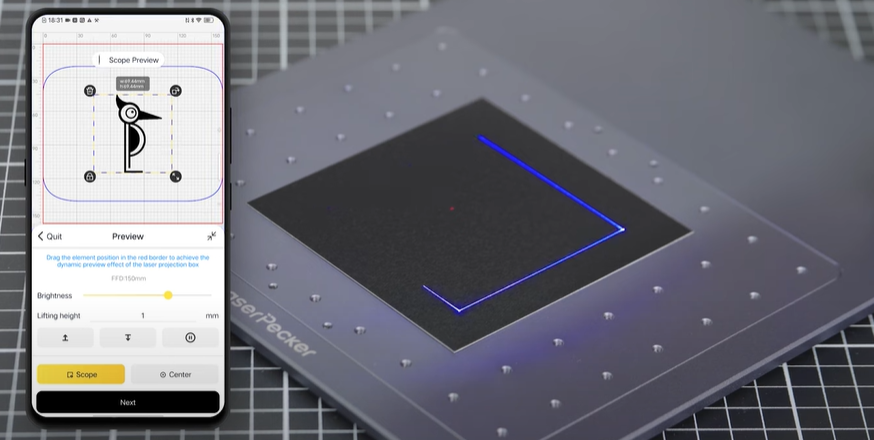
3. Position your material
Place the leather sheet in the working area and enable Preview Mode to align your design.
4. Adjust placement
Ensure the design fits the leather surface correctly. Resize or reposition if needed.
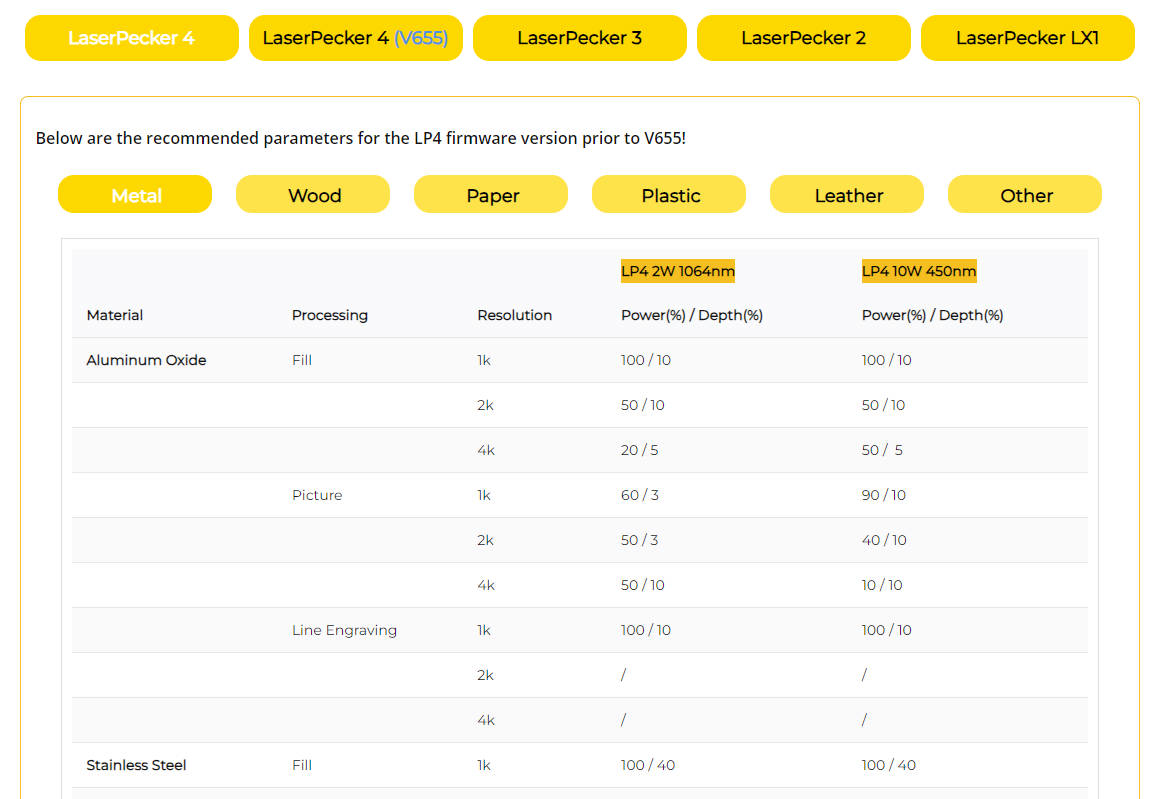
5. Configure settings
Adjust parameters such as power, speed, and resolution based on your material.
If you're asking, “How much laser power is needed to cut leather?”, here's a reliable reference:
- For LaserPecker 4 (LP4):
- 10W (450 nm)
- Power: 75%
- Depth: 85%
- Passes: 2
You can also refer to the recommended laserpecker engraving and cutting parameters for different machines, including LP1, LP2, LP3, LP4, and LP5.
For UK users working indoors, maintaining proper ventilation during setup is highly recommended.
Step 5: Start Cutting Your Leather with Laser
Before starting, double-check all settings and positioning.
Then simply press start and let the laser do the work. The machine will cut your design precisely into the leather.
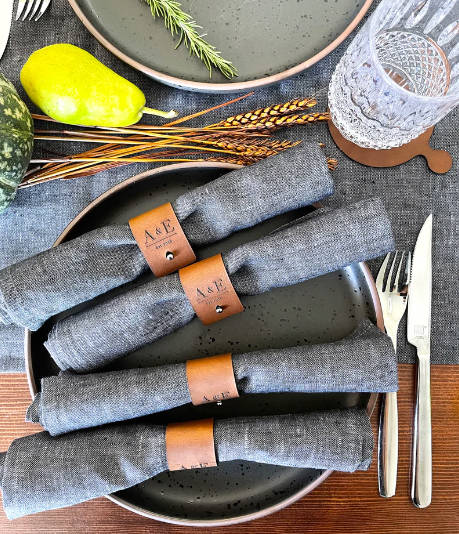
After cutting, you can further enhance your piece. For example:
- Add engraved patterns
- Personalise text or logos
Laser engraving can add extra detail to your finished bracelet.
Safety Tips for Laser Cutting Leather
When using a laser machine, safety should always come first.
- Wear protective goggles to shield your eyes
- Use a laser enclosure or protective cover if available
- Be aware that fumes may be produced during cutting
To improve air quality, using an air purifier is strongly recommended — especially in indoor environments.
For users in the UK, combining a compact laser machine with proper ventilation or a desktop air purifier ensures a safer and more comfortable workspace.
Projects: Two Easy Leather Laser Cutting Ideas for Beginners
If you're just getting started with leather laser cutting, trying simple and practical projects is the best way to build confidence and improve your skills.
Here are two beginner-friendly ideas to help you get inspired:
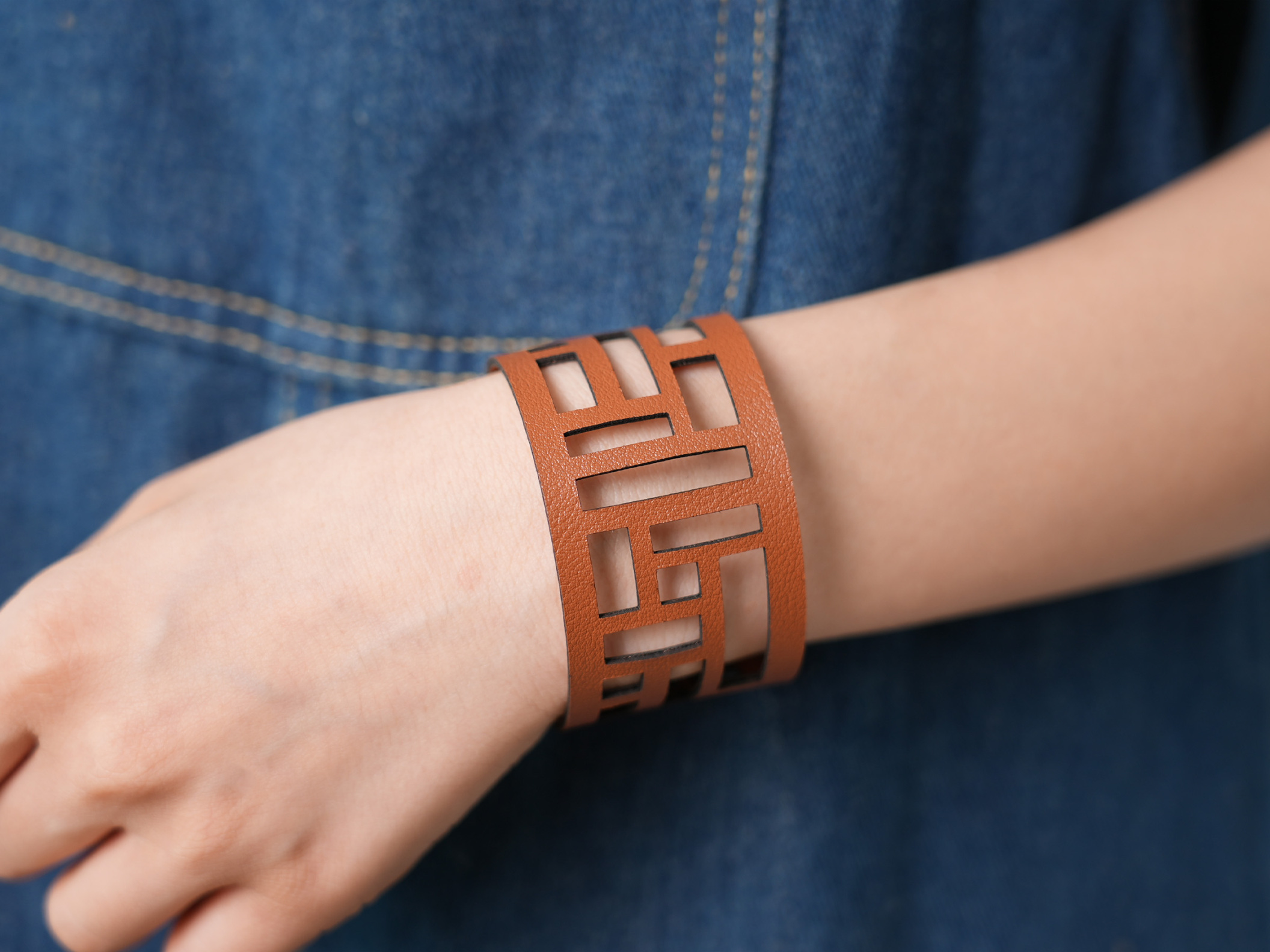
A leather bracelet is one of the most popular starter projects for laser cutting.
It's simple to make, highly customisable, and perfect for practising both cutting and engraving techniques.
With a laser cutter, you can easily:
- Cut precise strap shapes
- Add personalised text, names, or initials
- Engrave patterns or decorative elements
For users in the UK, leather bracelets are especially popular as personalised gifts or handmade items for small online shops and craft markets.
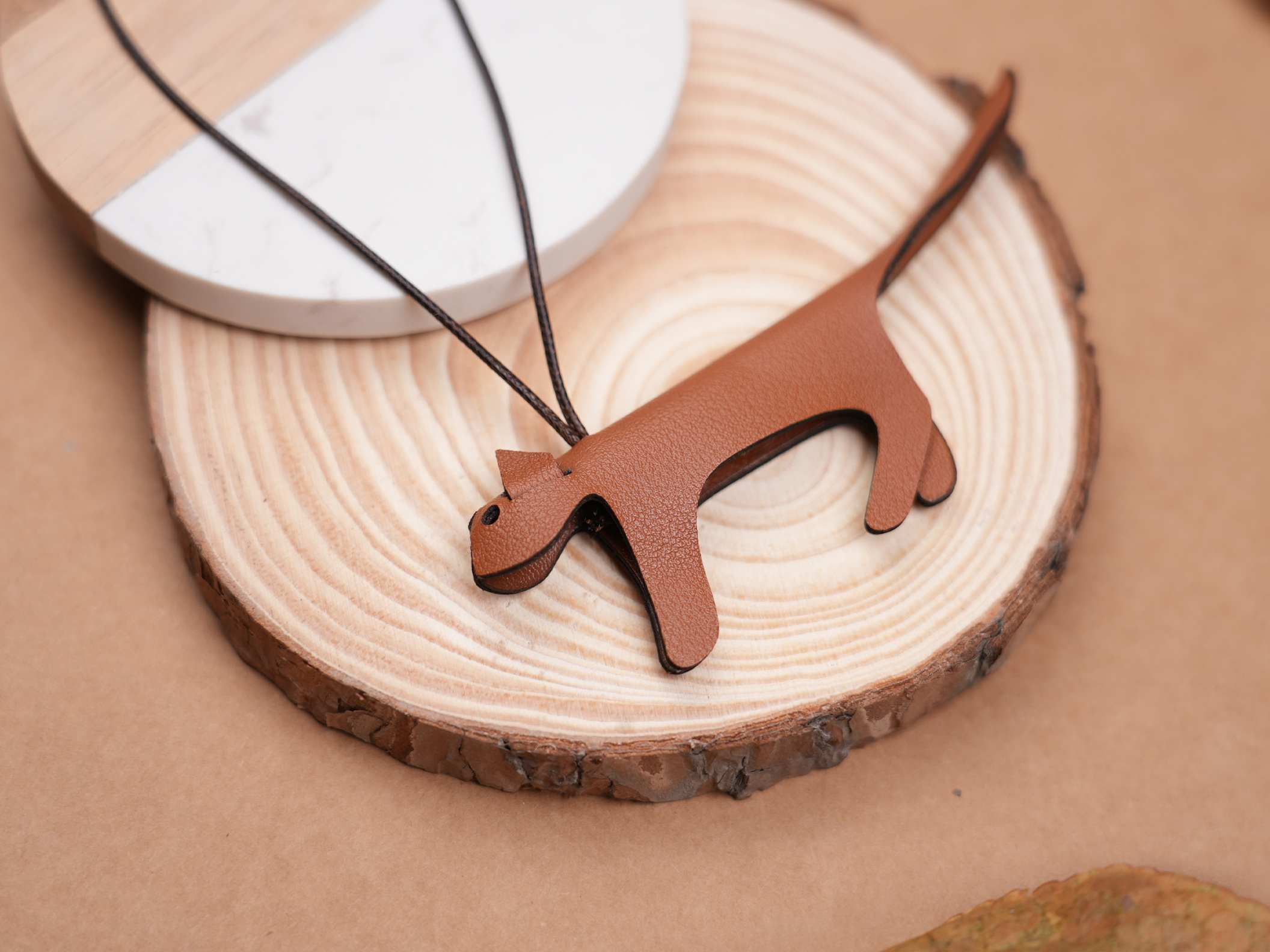
A leather pendant is another creative and beginner-friendly project.
This type of project allows you to experiment with more detailed designs while keeping the process manageable.
You can:
- Cut intricate shapes with high precision
- Engrave logos, symbols, or artistic patterns
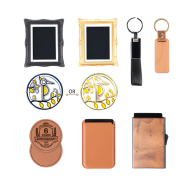
- Create unique accessories such as necklaces or keychains
In the UK, these small leather accessories are often used for personalised jewellery or boutique handmade products.
FAQs: Hot Questions about Leather Laser Cutting in the UK
Q1. Can you laser cut leather at home in the UK?
Yes, you can laser cut leather at home using a compact diode laser cutter such as LP4, LP5, or LP2 Plus. These machines are designed for home workshops and are easy to set up with standard UK power outlets.
Q2. What is the best laser cutter for leather beginners?
For beginners, diode laser cutters are the most suitable option. Models like LP2 Plus or LP4 are user-friendly, affordable, and ideal for small leather laser cutting projects.
Q3. How do you laser cut leather without burning it?
To avoid burning the edges, you should:
- Use the correct power and speed settings
- Ensure proper focus of the laser beam
- Use multiple passes instead of high power in one go
Fine-tuning these settings will help produce clean and smooth edges.
Q4. Is laser cutting leather safe indoors?
Yes, but safety precautions are essential. Always use protective goggles and ensure proper ventilation. Using an air purifier can help remove smoke and fumes generated during the cutting process.
Q5. What type of leather is best for laser cutting?
Vegetable-tanned leather is generally the best choice for laser cutting. It produces cleaner results and fewer harmful fumes compared to synthetic or chemically treated leather.
Q6. How long does it take to laser cut leather?
Most simple projects, such as a leather bracelet, can be completed within a few minutes depending on the design complexity and material thickness.
Conclusion
In summary, leather laser cutting is a versatile and precise technique that allows you to transform leather into detailed designs and functional products with clean edges and refined patterns.
Whether you're creating personalised gifts, running a small craft business, or exploring DIY projects, laser cutting opens up a wide range of creative possibilities.
For users in the UK, compact diode laser machines such as LP4, LP5, and LP2 make it easier than ever to get started from a home workshop, combining convenience with professional-quality results.