
































Watch dials are among the most intricate and visible parts of any timepiece, making them ideal for precision personalisation. Whether you're adding a company logo, initials, custom numerals, decorative patterns, or a limited-edition design, laser engraving provides a clean, permanent, and highly professional finish.
For watch enthusiasts, jewellers, and makers across the UK, laser engraving offers an efficient way to customise metal watch dials with exceptional accuracy. In this guide, you'll learn the fundamentals of watch dial laser engraving, how the process works, which engraving machine is best suited for the task, and how to engrave a watch dial step by step.

In this article:
- Part 1: The Overview of Laser Engraving Watch Dial
- 1.1 What Is Watch Dial Laser Engraving?
- 1.2 How Does Laser Engraving Work on a Watch Dial?
- 1.3 What Engraving Machine Do You Need?
- Part 2: What Engraving Machine Do You Need?
- Case Study: How to Laser Engrave a Watch Dial in 5 Steps 💡
- Part 4: Safety & Tips for Watch Dial Engraving
- FAQs:Hot Questions about Laser Engraving Watch Dial
Part 1: The Overview of Laser Engraving Watch Dial
1.1 What Is Watch Dial Laser Engraving?
Watch dial laser engraving is a precision marking process that uses a highly focused laser beam to create text, logos, indices, decorative patterns, and custom artwork directly on a watch dial. The technique is widely used for personalised watches, independent watch brand prototypes, luxury-inspired customisation, commemorative gifts, and small-scale watchmaking projects.
For UK watch enthusiasts and custom watchmakers, laser engraving offers a clean, permanent, and highly accurate way to create unique dial designs without damaging delicate components. It is particularly suitable for detailed designs that require professional-quality results on compact surfaces.

Source: LaserPecker Facebook Group
1.2 How Does Laser Engraving Work on a Watch Dial?
Laser engraving works by directing concentrated energy onto the dial surface, altering or removing an extremely thin layer of material. Depending on whether the dial is made from stainless steel, brass, coated metal, painted metal, or anodised aluminium, the engraving may produce a dark mark, bright metallic contrast, subtle texture, or shallow engraved effect.
Because watch dials contain fine details within a limited space, precision is essential. Laser engraving is particularly effective for:
- Tiny numerals and hour markers
- Minute track markings
- Brand logos and signatures
- Decorative guilloché-style patterns
- Limited-edition serial numbers
The non-contact nature of laser engraving also helps minimise the risk of scratching or deforming delicate dial surfaces.
1.3 What Engraving Machine Do You Need?
When engraving a watch dial, precision is far more important than cutting power. A suitable laser engraver should provide accurate positioning, consistent focus, and the ability to create extremely fine details on metal surfaces.
Key features to look for include:
- High-resolution engraving for small text and intricate graphics
- Accurate preview and alignment functions
- Stable focusing for thin metal watch dials
- Fibre or infrared laser technology for metals and coated metals
- Reliable repeatability for small-batch production
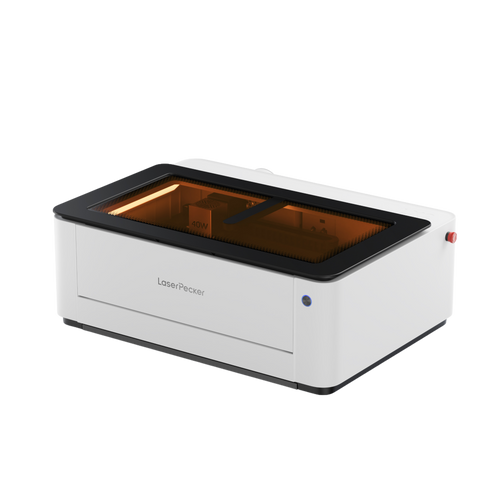
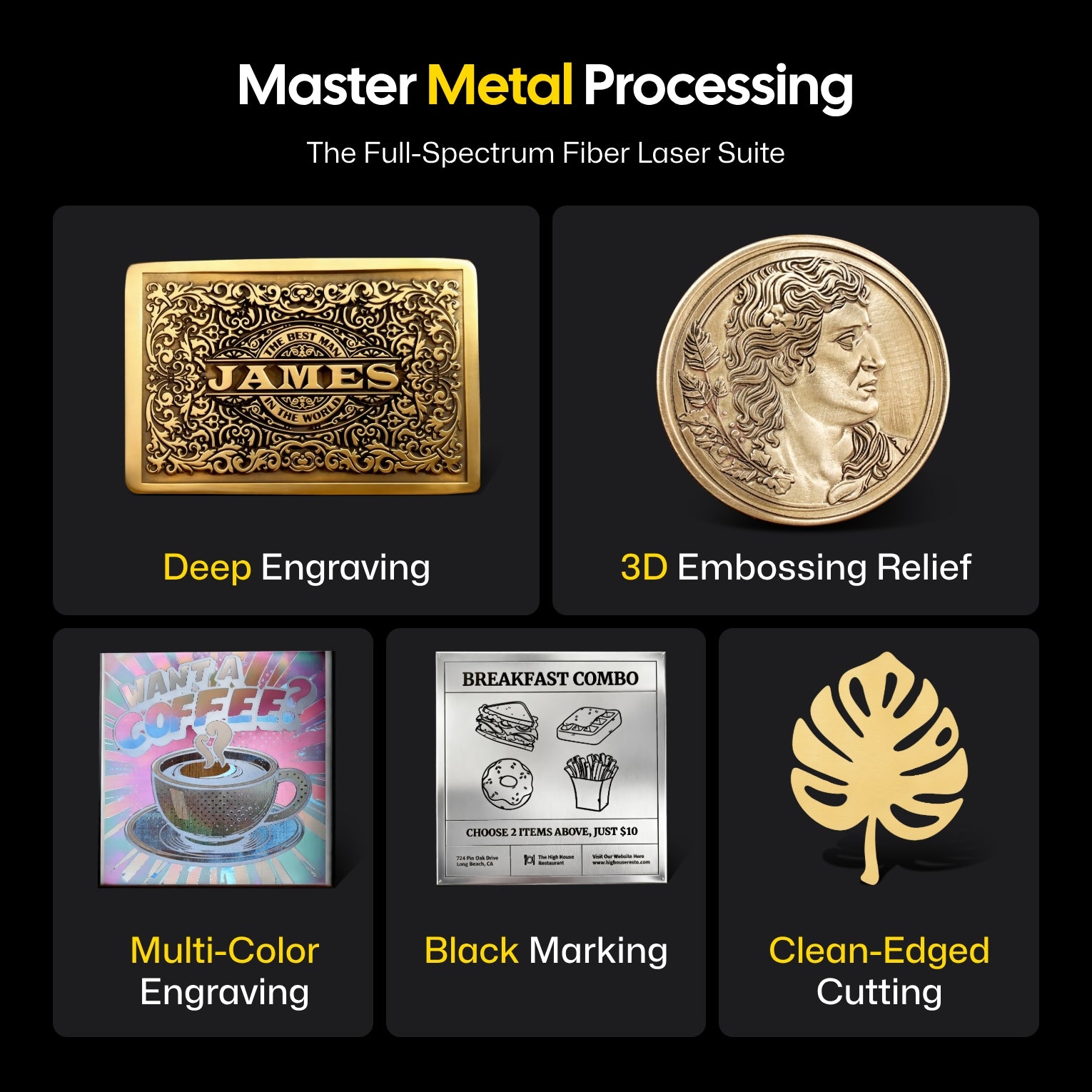
For UK home workshops, jewellery studios, and custom watch businesses, the LaserPecker LP5 is a practical solution. Its 20W Fibre Laser and 20W Diode Laser combination allows users to engrave a wide range of watch dial materials while maintaining excellent detail and consistency on small components.
Part 2: Why Use Laser for Watch Dial Engraving?
Laser engraving is one of the most effective methods for customising watch dials because it combines precision, durability, and consistency. Compared with traditional hand engraving, pad printing, or decals, laser technology delivers cleaner results and greater repeatability, especially when working with small and intricate dial designs.
① Fine Detail for Small Surfaces
Watch dials offer very limited space, making precision essential. Laser engraving can accurately reproduce:
- Small numerals and indices
- Brand logos and trademarks
- Serial numbers and reference codes
- Decorative textures and patterns
- Personalised names, initials, and signatures
For UK watchmakers and collectors, this level of detail helps create professional-looking custom dials without compromising readability.
② Permanent and Professional
Unlike stickers, transfers, or surface printing that may fade over time, laser engraving creates a durable mark directly on the dial surface. The engraving resists normal wear and maintains its appearance for years.
This makes laser engraving particularly suitable for:
- Personalised watch gifts
- Corporate and promotional watches
- Independent watch brand prototypes
- Commemorative editions
- Collector and limited-run timepieces
The finished result offers a refined appearance that closely matches the quality expected from professionally manufactured watch dials.
③ Works on Different Dial Materials
One of the biggest advantages of laser engraving is its compatibility with a wide range of watch dial materials. Depending on the laser type and material finish, different visual effects can be achieved.
Common materials include:
- Stainless steel
- Brass
- Coated metal
- Anodised aluminium
- Painted metal dials
- Selected plastic dial components
The final engraving contrast will vary depending on the coating, colour, texture, and material composition of the dial.

Source: LaserPecker CrafZone - Laser Engraved 3D Printed Watch Dial
④ Repeatable for Small-Batch Production
Once the artwork, positioning, and engraving parameters have been configured, the same design can be reproduced consistently across multiple watch dials.
This makes laser engraving particularly valuable for:
- Independent watch brands
- Watch repair workshops
- Jewellery studios
- Customisation businesses
- Small-batch product launches
For makers in the UK looking to produce limited-edition collections or branded watch dials, laser engraving offers a reliable and scalable production method while maintaining excellent detail from one piece to the next.
Part 3: Case Study: How to Laser Engrave a Watch Dial in 5 Steps 💡
Preparation Checklist for Laser Engraving a Watch Dial
Before starting, prepare the following:
- Engraving Material: Watch dial
- Engraving Machine: Fibre laser engraver
- Engraving Design: Logo, indices, numerals, decorative patterns, serial numbers, initials, or custom artwork
Can you laser engrave a watch dial? Absolutely. With the correct laser source, accurate positioning, and suitable engraving settings, it is possible to create highly detailed and professional-looking watch dials. Follow these five steps to achieve clean and consistent engraving results.
Step 1: Prepare Your Design
Begin with a high-quality design file. Vector formats such as SVG, AI, and DXF are recommended for watch dial engraving because they maintain sharp edges and precise dimensions.
When designing a watch dial:
- Keep artwork clean and uncluttered
- Use high-contrast elements for better visibility
- Scale the design accurately to match the dial diameter
- Leave adequate spacing around the centre hole and outer minute track
- Verify alignment of logos, indices, and numerals before engraving
Since watch dials offer limited space, simplicity often produces the most professional result.
Step 2: Choose the Right Laser Engraving Machine for Watch Dial Engraving
For metal watch dials, a fibre laser offers the best combination of precision, contrast, and material compatibility. We recommend the LaserPecker LP5 for detailed watch dial customisation.
-
20W Fibre + 20W Diode Dual-Laser System
The LP5 combines a 20W Fibre Laser and a 20W Diode Laser, making it suitable for engraving:- Stainless steel watch dials
- Brass watch dials
- Anodised aluminium dials
- Coated metal surfaces
- Watch accessories and components
-
10,000 mm/s Ultra-Fast Engraving Speed
Its high-speed galvo system enables efficient engraving of:- Logos
- Numerals
- Minute markers
- Serial numbers
- Decorative textures
-
High-Resolution Precision Engraving
Watch dials often require extremely fine lines and micro text. The LP5 delivers sharp detail that is suitable for professional watch customisation and limited-edition production. -
Compact Desktop Design
Its desktop footprint makes it ideal for:- UK watch repair workshops
- Jewellery studios
- Personalised gift businesses
- Home makerspaces
- Small-batch watch brands
For users in the UK, the LP5 can also be paired with the LaserPecker LP5 Safety Enclosure, which enables Class 1 Laser Safety during operation. This is particularly useful for indoor workshops where additional protection and controlled laser exposure are preferred.

Step 3: Position and Secure the Watch Dial
Place the watch dial flat inside the engraving area and secure it using a jig, fixture, or positioning guide.
Before engraving, confirm that:
- The centre hole is aligned correctly
- The dial feet are not obstructing the engraving area
- The logo position is accurate
- The 12 o'clock orientation is properly aligned
Because watch dials are small, even minor positioning errors can become highly visible on the finished piece.
Step 4: Set Up the Watch Dial Laser Engraving Machine
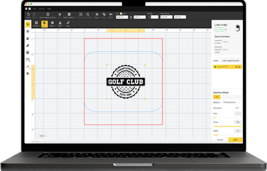
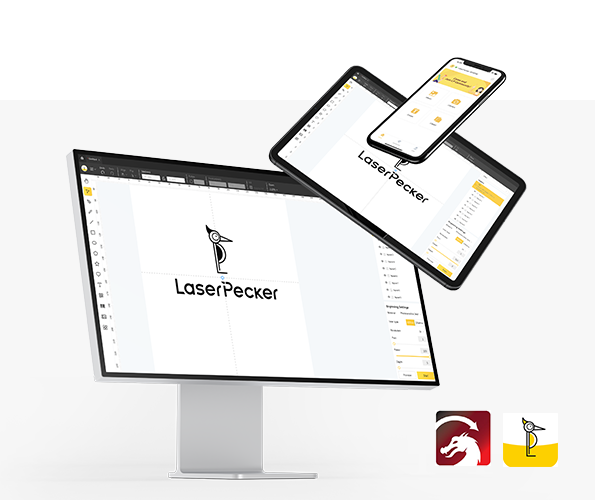
Import your artwork into LaserPecker Design Space or your preferred design software. Adjust the size, orientation, and position to match the dial layout precisely.
To prepare the engraving job:
- Power on the laser engraver and connect it using Wi-Fi, USB, Bluetooth, or another supported connection method.
- Open LaserPecker Design Space and import your design file.
- Place the watch dial within the engraving area.
- Enable Preview Mode and confirm the engraving position.
- Check that the design fits correctly around the centre hole and minute track.
- Adjust focus before proceeding.
Next, configure the engraving parameters.
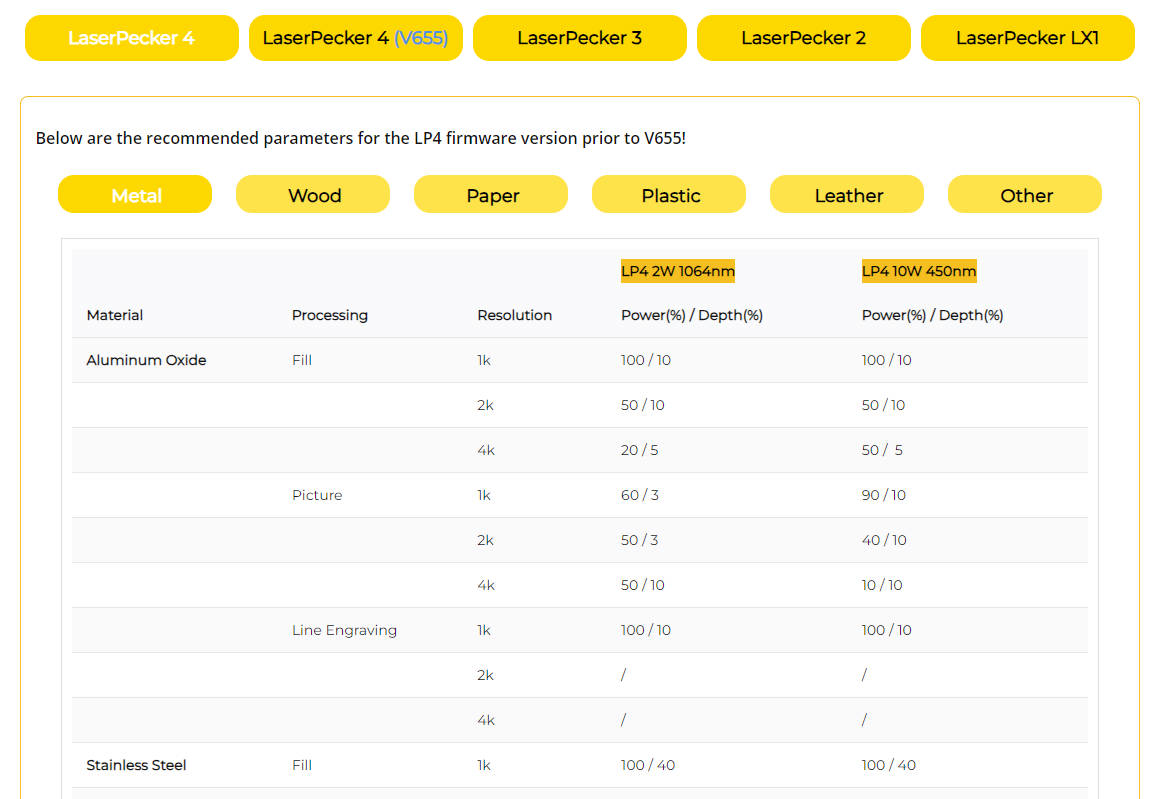
For coated or metal watch dials, a typical starting point when using the LP5 is:
- Laser Source: 2W 1064nm Fibre Laser
- Resolution: 2K
- Power: 60–100%
- Depth: 5–15%
- Passes: 1
Actual settings may vary depending on the coating, material composition, and desired contrast. Always test on a spare dial or sample material before engraving the final piece.

Actual settings may vary depending on the coating, material composition, and desired contrast. Always test on a spare dial or sample material before engraving the final piece.
When operating the machine, wear laser safety glasses or use a protective enclosure for additional protection.
Engraving painted or coated watch dials may generate smoke and odours. For indoor use, the LP5 can be paired with the LaserPecker Desktop Smoke Purifier, which helps filter fumes and airborne particles generated during engraving, creating a cleaner and more comfortable workspace.
To explore additional recommended parameters, visit the LaserPecker material settings page.
Step 5: Start Engraving Your Watch Dial
Before starting the engraving process, double-check:
- Alignment
- Focus accuracy
- Material settings
- Engraving area boundaries
Once everything has been verified, begin engraving and monitor the process carefully.
After engraving is complete:
- Remove the dial carefully
- Clean the surface using a soft cloth or air blower
- Avoid scratching the finish
- Inspect the engraving for clarity, alignment, and contrast
- Confirm the dial is ready for assembly into the watch case
Taking a few extra minutes to inspect the finished dial can help ensure professional-quality results.
Part 4: Safety & Tips for Watch Dial Engraving
Watch dial laser engraving requires extra attention because watch dials are small, delicate, and often feature painted, coated, or anodised surfaces. A minor mistake in positioning or laser settings can affect the final appearance. Following these best practices will help improve engraving quality while reducing the risk of damaging valuable watch components.
1. Test Before Engraving the Final Dial
Always perform a test run before engraving the actual watch dial.
Best practices include:
- Use a spare watch dial or a similar metal sample for testing
- Check engraving contrast and visibility
- Evaluate engraving depth and edge quality
- Monitor heat impact on coatings and painted surfaces
- Adjust power and speed settings before the final engraving
Excessive laser power can damage coatings, discolour painted surfaces, or even distort thin metal watch dials. Taking time to test first can help avoid costly mistakes.
2. Pay Close Attention to Alignment
Accurate positioning is critical when engraving a watch dial.
Before starting:
- Mark the 12 o'clock position clearly
- Use Preview Mode to verify artwork placement
- Confirm logo and numeral alignment
- Check spacing around the centre hole
- Ensure the dial is securely fixed in place
For UK watchmakers and customisation studios, careful alignment is often the difference between a professional-looking dial and a rejected part.
3. Use the Right Laser Type
Different watch dial materials respond differently to laser technology.
General recommendations include:
- Fibre lasers for stainless steel, brass, and bare metal dials
- Infrared lasers for detailed metal marking and fine engraving
- Diode lasers for selected coated, painted, or anodised surfaces
Always match the laser source to the dial material to achieve the best contrast and engraving quality.
4. Clean Carefully After Engraving
Proper cleaning helps preserve the appearance of the finished watch dial.
Recommended cleaning methods include:
- Using a soft microfibre cloth
- Removing dust with a gentle air blower
- Handling the dial with gloves
- Storing engraved dials in a clean environment
Avoid using aggressive cleaning chemicals, particularly on painted or coated watch dials, as they may damage the finish or reduce engraving contrast.
FAQs: Hot Questions about Laser Engraving Watch Dial
Q1. Can you laser engrave any type of watch dial?
Most metal watch dials can be laser engraved, including stainless steel, brass, coated metal, and anodised aluminium. Some painted and coated dials can also be engraved successfully, although the final appearance depends on the material finish and laser settings.
Q2. What is the best laser for watch dial engraving?
A fibre laser is generally considered the best option for engraving metal watch dials because it produces sharp details and high contrast. For UK watchmakers and customisation businesses, machines such as the LaserPecker LP5 are well suited to precision watch dial engraving.
Q3. Will laser engraving damage a watch dial?
When correct settings are used, laser engraving should not damage the watch dial. However, excessive power or poor focusing may affect coatings, paint layers, or thin metal surfaces. Testing on a spare dial is always recommended.
Q4. How small can laser engraving be on a watch dial?
Modern laser engravers can create extremely fine details, including micro text, serial numbers, minute markers, and small logos. The achievable detail depends on the laser source, lens setup, and material type.
Q5. Can I personalise a watch dial with initials or a logo?
Yes. Laser engraving is commonly used to add initials, names, company logos, commemorative dates, and custom artwork to watch dials. This makes it a popular option for personalised gifts and limited-edition watches.
Q6. Is laser engraving permanent on a watch dial?
Yes. Unlike printed graphics or decals, laser engraving modifies the dial surface directly. The marking is highly durable and resistant to normal wear, making it suitable for long-term use.
Conclusion
Laser engraving is an excellent solution for creating personalised watch dials with professional-quality detail and long-lasting results. Whether you're customising a single timepiece, developing a micro-brand prototype, or producing a limited-edition collection, laser technology offers the precision needed for intricate dial designs.
By selecting the right laser engraver, preparing accurate artwork, testing your settings, and carefully positioning the dial, you can achieve clean, consistent engravings on even the smallest watch surfaces. With proper setup and attention to detail, watch dial laser engraving can deliver impressive and highly customised results.